
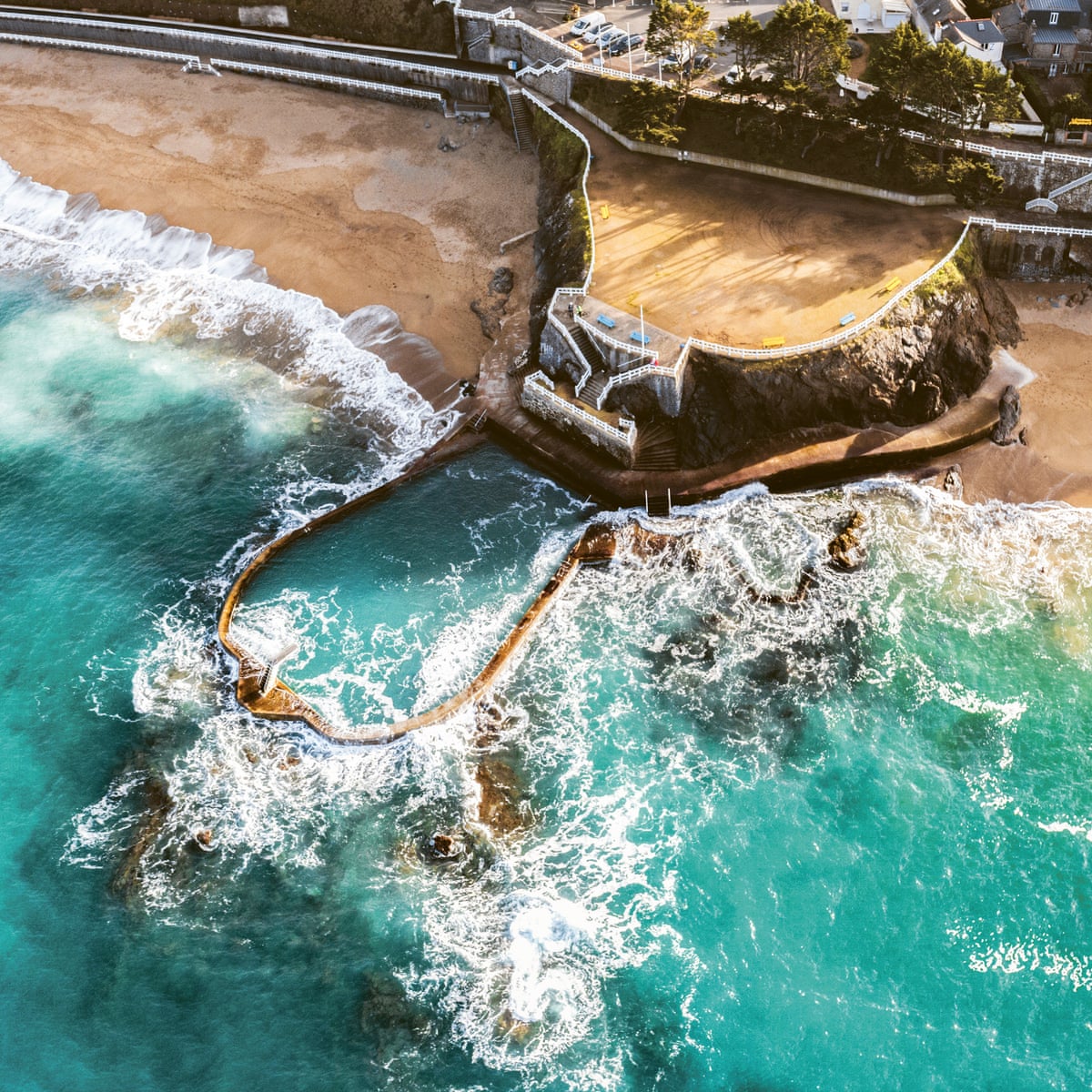
A pool looks its best when the garden around it works as hard as the water does. Plants, paving, lighting, and shade all shape how a family uses the space. Aquarius Pools treats the surrounding landscape as part of the pool design from the first sketch. In addition, the Aquarius Pools team plans every planting bed and pathway around climate, maintenance, and daily habits.
Key Takeaways
- Landscape planning should begin at the same time as the pool layout.
- Hardy, low-litter plants keep the water cleaner and reduce weekly upkeep.
- Pool-safe paving needs slip resistance and heat tolerance underfoot.
- Layered lighting makes the garden usable and attractive after dark.
- Shade structures and mature trees protect swimmers from harsh sun.
- Privacy screens and hedges create a calm, secluded atmosphere.
- Irrigation and drainage planning protect both the plants and the pool shell.
- Outdoor living zones turn a pool into the centre of the garden.
Starting With a Unified Site Plan
Good landscaping rarely happens by accident. Designers who map the pool, the house, and the garden together avoid awkward gaps and wasted corners. Specifically, a single plan shows where sunlight falls, where wind enters, and where people will walk.
Planning everything at once also saves money. For example, trenches for lighting and irrigation can share one excavation. Moreover, heavy machinery reaches the site before delicate plants arrive, which prevents damage later.
Selecting Plants That Suit Pool Conditions
Plant choice affects both appearance and cleaning time. Species that shed small leaves or sticky flowers fill skimmers quickly. Therefore, many designers favour ornamental grasses, succulents, and structured evergreens near the water’s edge.
Chlorine splash and reflected heat stress some plants, whereas tough varieties thrive. Lavender, agave, and native grasses handle these conditions well. In addition, a thin gravel border between beds and coping keeps soil from washing into the pool.
Choosing Paving and Surfaces Around the Water
Surfaces around a pool take heavy punishment. They face sun, splashes, bare feet, and constant movement. Consequently, material choice has real safety and comfort effects.
Limestone and light-toned porcelain stay cooler than dark stone in summer. Textured finishes reduce slips, while smooth finishes can become hazardous when wet. Furthermore, wide, well-drained paving prevents puddles and keeps walkways usable after rain.
Building Shade With Trees and Structures
Sun exposure makes a pool uncomfortable at midday. Shade solves this problem and protects skin as well. Pergolas, shade sails, and cabanas all provide cover without blocking the garden’s openness.
Trees help too, but placement matters. Large species drop debris and send roots toward the pool shell. Accordingly, designers place them at a safe distance and use smaller canopy trees closer to the water. Not only do these trees cast gentle shade, but they also add structure to the garden.
Creating Privacy With Screens and Hedges
Most owners want a pool that feels private. Tall hedges, slatted fences, and living walls all block sightlines from neighbours. In particular, clipped hedging offers a clean, formal edge, whereas mixed planting gives a softer look.
Privacy screens can also cut noise and wind. As a result, the pool area feels calmer and warmer. Evergreen species work best because they provide cover every month of the year.
Layering Light Across the Garden
Lighting makes a pool useful after sunset. Underwater lights show off the water, and soft path lights guide guests safely. Additionally, uplights on trees and walls add depth and highlight texture.
Warm white tones feel welcoming and natural. For instance, low-level lights along steps reduce glare while still marking edges clearly. Controllers let owners adjust brightness and switch scenes with a single tap.
Planning Irrigation and Drainage Early
Water management protects the whole investment. Poor drainage sends runoff toward the pool and leaves lawns soggy. Therefore, designers grade the ground so water flows away from the shell.
Drip irrigation delivers moisture directly to plant roots and wastes little. Moreover, separating irrigation zones by sun exposure keeps each bed healthy without overwatering. This approach also reduces chemical imbalance caused by stray runoff.
Designing Outdoor Living Zones
A pool becomes more valuable when the garden offers places to gather. Built-in seating, a dining terrace, and a small outdoor kitchen all extend the time people spend outside. Indeed, a firepit beside the water often becomes the favourite evening spot.
Zones should flow naturally from one to the next. Wide steps and gentle level changes connect them without clutter. Furthermore, compact lawn areas give children room to play away from the water.
 alpha